
close
Choose Your Site
Global
Social Media


Liquid hydrogen (LH₂) has emerged as a key energy carrier for industries aiming to reduce carbon emissions and improve operational efficiency. As global energy demands grow and environmental regulations become stricter, hydrogen-based technologies are becoming increasingly vital. The performance, safety, and efficiency of hydrogen applications depend largely on the quality and suitability of liquid hydrogen equipment.
Choosing the right LH₂ equipment is not just about selecting storage tanks or pumps; it involves understanding your operational requirements, safety protocols, energy efficiency, scalability, and supplier capabilities. Selecting an inappropriate system can result in energy losses, safety hazards, or operational inefficiencies. This article provides a comprehensive guide to help businesses, researchers, and engineers make informed decisions when selecting liquid hydrogen equipment, ensuring safe, reliable, and cost-effective hydrogen management.
The first step in selecting liquid hydrogen equipment is understanding its intended application. LH₂ can be used in a variety of contexts, including:
Storage: Maintaining hydrogen at cryogenic temperatures for later use.
Transportation: Moving hydrogen between production sites, refueling stations, or industrial facilities.
Fuel Supply: Feeding hydrogen to fuel cells in vehicles or industrial energy systems.
Industrial Processes: Supplying hydrogen for chemical synthesis, metallurgy, or energy-intensive manufacturing.
Each application has unique requirements that influence the choice of storage capacity, transfer methods, and safety features.
Evaluating the volume of hydrogen required and the frequency of use is essential. A system that is too small may require frequent refills, increasing operational complexity, whereas an oversized system can result in unnecessary costs and storage inefficiencies. Liquid hydrogen equipment should be selected to match both daily operational demands and peak usage scenarios.
Environmental conditions, including ambient temperature, humidity, and potential exposure to outdoor elements, affect LH₂ system performance. Equipment must maintain hydrogen at cryogenic temperatures while withstanding mechanical and thermal stresses. Understanding these factors ensures selection of equipment that is durable, efficient, and safe under real-world conditions.
Storage tanks are the foundation of liquid hydrogen equipment. They typically consist of:
Inner Tank: Designed to hold LH₂ at cryogenic temperatures, with materials capable of withstanding extreme cold.
Outer Tank: Provides structural support and houses insulation layers to minimize heat transfer.
Insulation Systems: Multi-layer insulation (MLI) and vacuum jackets reduce conductive, convective, and radiative heat transfer, maintaining cryogenic efficiency and minimizing boil-off.
Proper design of tanks ensures energy retention, operational safety, and long-term durability.
Gasifiers convert liquid hydrogen into gaseous hydrogen on demand. Controlled heat exchange allows LH₂ to transition into gas while maintaining precise pressure and flow. This is crucial for applications such as fuel cell operation or industrial processes requiring gaseous hydrogen.
Pumps and delivery systems transfer hydrogen between storage, processing units, and end-use applications. High-precision pumps regulate flow rates while maintaining temperature, preventing premature vaporization or pressure fluctuations. Accurate delivery is critical for industrial efficiency, energy systems, and transportation fueling operations.
Modern liquid hydrogen equipment integrates advanced monitoring systems to track temperature, pressure, hydrogen flow, and leak detection. Real-time monitoring ensures operational safety and allows early identification of potential issues. Integration with automated control systems enhances reliability and minimizes human error.
Safety is a primary consideration when selecting LH₂ systems. Key safety features include:
Pressure Relief Valves: Protect against overpressure scenarios by venting excess gas safely.
Gas Detection Systems: Monitor hydrogen concentrations to prevent leaks and potential combustion hazards.
Advanced Insulation: Reduces heat ingress, minimizing boil-off and pressure build-up risks.
Compliance with international standards and regulations, such as ISO, ASME, and local hydrogen safety codes, is essential. Certified equipment ensures that design, materials, and operational protocols meet rigorous safety and performance requirements.
Routine maintenance and inspection protocols are crucial for maintaining long-term reliability. LH₂ systems should include features that facilitate regular checks, component replacement, and safety audits, ensuring operational integrity over time.
Cryogenic efficiency is a critical consideration when selecting liquid hydrogen equipment. Any heat ingress into the storage system can lead to hydrogen boil-off, resulting in energy loss and reduced storage efficiency. Advanced insulation technologies, such as multi-layer insulation (MLI), vacuum jackets, and reflective coatings, are employed to minimize conductive, convective, and radiative heat transfer. Proper implementation of these measures preserves the cryogenic state of LH₂, ensuring optimal energy retention and system reliability.
Efficient LH₂ systems are designed with both energy conservation and operational demands in mind. Correct tank sizing, appropriate insulation thickness, and integration of energy recovery components reduce thermal losses and overall energy consumption. Additionally, system layout and component placement are optimized to maintain stable pressure and temperature levels, enhancing both safety and operational efficiency.
Modern LH₂ equipment includes sophisticated monitoring systems that track temperature gradients, pressure variations, and flow rates in real time. This continuous oversight allows operators to identify inefficiencies early, schedule predictive maintenance, and fine-tune operational parameters, maximizing system performance and minimizing energy waste.
Scalability is a key advantage of modern LH₂ equipment. Modular systems allow components to be added or removed to match changing operational requirements. This ensures that the system remains efficient as demand increases or decreases over time.
Future-proofing involves selecting equipment compatible with emerging hydrogen technologies, including fuel cells, renewable energy integration, and industrial hydrogen applications. Equipment should support upgrades in monitoring systems, cryogenic efficiency, and delivery mechanisms without requiring full system replacement.
Scalable, future-ready LH₂ systems reduce the need for costly replacements and expansions. Selecting equipment with long-term adaptability maximizes return on investment while ensuring operational efficiency and safety.
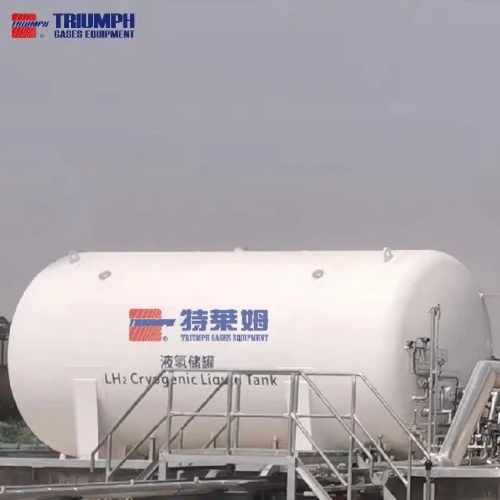
Choosing the right supplier is as important as selecting the equipment itself. Suppliers should demonstrate expertise in LH₂ system design, manufacturing, installation, and maintenance.
Reliable technical support, including on-site installation, staff training, and troubleshooting, ensures smooth operation. Comprehensive support reduces downtime and improves safety and operational performance.
Experienced suppliers can provide tailored LH₂ systems to meet unique operational demands. Customized design ensures optimal performance, integration with existing infrastructure, and compliance with regulatory standards.
While the initial purchase cost is important, long-term operating costs, including energy consumption, maintenance, and system upgrades, must be considered. Efficient LH₂ equipment minimizes energy loss and reduces total cost of ownership.
Systems with higher cryogenic efficiency and integrated monitoring reduce energy wastage and maintenance needs. Selecting equipment with proven reliability lowers operational risks and expenses.
Choose modular systems that scale with demand.
Select energy-efficient insulation and cryogenic designs.
Consider suppliers offering integrated support and maintenance programs.
Key Factor | Considerations |
Application Needs | Storage, transportation, fuel supply, industrial processes |
Capacity and Usage Frequency | Daily and peak hydrogen demand, operational efficiency |
Key Components | Storage tanks, gasifiers, pumps, monitoring systems |
Safety Features | Pressure relief, gas detection, advanced insulation |
Energy Efficiency | Cryogenic performance, heat ingress reduction, operational optimization |
Scalability | Modular design, future expansion, compatibility with emerging technologies |
Supplier Support | Expertise, technical support, training, maintenance programs |
Cost | Initial investment, operational costs, energy efficiency, maintenance |
Choosing the right liquid hydrogen equipment requires a thorough evaluation of operational requirements, safety measures, energy efficiency, scalability, and supplier expertise. Selecting the proper system ensures reliable, safe, and efficient hydrogen handling, which is essential for aerospace, energy, transportation, and industrial applications.
For businesses and organizations looking to implement high-performance LH₂ solutions, Wuxi Triumph Gases Equipment Co., Ltd. offers advanced equipment designed to meet rigorous safety standards and operational demands. Their expertise spans the design, manufacturing, and integration of cryogenic systems, ensuring precise hydrogen delivery, efficient storage, and secure operation.
Partnering with experienced suppliers like Wuxi Triumph Gases Equipment Co., Ltd. allows organizations to access professional guidance, customized solutions, and ongoing technical support. This approach not only maximizes operational efficiency and minimizes risks but also helps companies advance their sustainable energy initiatives. For those seeking reliable, cutting-edge LH₂ systems, consulting with Wuxi Triumph Gases Equipment Co., Ltd. is a crucial step toward achieving long-term success in the growing hydrogen economy.
1. What factors should be considered when choosing liquid hydrogen equipment?
Evaluate application needs, capacity, safety, energy efficiency, scalability, supplier support, and long-term cost.
2. How do safety features impact the selection of LH₂ systems?
Pressure relief, gas monitoring, and insulation are essential to prevent accidents and ensure operational reliability.
3. Why is cryogenic performance critical in liquid hydrogen equipment?
Efficient cryogenic performance minimizes boil-off, reduces energy loss, and maintains hydrogen quality for safe and reliable operation.
4. How can scalability affect long-term investment in LH₂ systems?
Scalable systems can adapt to growing or changing demand, reducing the need for costly replacements and maximizing return on investment.
5. What role does supplier support play in selecting liquid hydrogen equipment?
Reliable suppliers provide technical expertise, installation guidance, training, and maintenance support, ensuring optimal system performance and safety.


