
close
Choose Your Site
Global
Social Media


A liquid nitrogen tank can preserve biological samples, supply laboratory coolants, and support food processing or industrial operations. But which tank suits each application? The answer depends on whether you need sample storage, liquid nitrogen supply, or nitrogen gas. This guide explains the main uses of a Liquid Nitrogen Tank and how to choose the right configuration.
A liquid nitrogen tank can provide a cold environment for appropriately prepared biological materials. Common examples include cell cultures, tissue specimens, and samples maintained for future research. The tank supports storage after the material completes its required preparation and freezing process. It does not replace those procedures or guarantee successful recovery. Sample viability also depends on the material, protective preparation, storage conditions, and thawing method. These requirements should follow validated protocols appropriate to the samples. The equipment’s role is maintaining the specified storage environment throughout the intended storage period.
Two separate vessels may support the same preservation workflow. One contains organized sample holders inside a cryogenic storage chamber. Another stores liquid nitrogen for replenishing that chamber. The supply vessel may never contain biological material directly. This distinction affects purchasing because liquid capacity and sample capacity describe different things. A larger nitrogen inventory does not automatically provide more space for sample racks. Likewise, a high sample count does not establish how frequently replenishment is needed. Buyers should specify both the materials being stored and the expected operating pattern. They should also identify retrieval frequency, storage duration, and monitoring requirements. These details connect the chosen liquid nitrogen tank for sample storage to the laboratory’s actual workflow.
Veterinary breeding programs use suitable liquid nitrogen containers to store prepared semen samples. The samples are commonly organized in compatible holders for identification and retrieval. Maintaining the required cold conditions supports their availability for later use. However, preservation quality depends on the complete collection, preparation, freezing, and recovery process. The container provides the storage environment rather than controlling every stage. Its suitability therefore depends on the sample format and the procedures followed by the breeding program. A general cryogenic container description cannot establish those details independently.
The first supplied reference illustrates a container marketed for veterinary semen preservation. Its stated application supports this use case without establishing universal specifications for other equipment. In practice, canister layout and inventory records influence how efficiently users locate individual samples. A clearly organized system helps reduce unnecessary searching during retrieval. Opening size, holder compatibility, and handling arrangements also affect day-to-day work. Buyers should examine these features alongside the liquid nitrogen inventory. For field activities, portability must be assessed against the container’s approved purpose. A vessel designed for stationary storage is not automatically suitable for routine transport. Confirm whether movement, loading conditions, and sample protection match the intended breeding workflow. This prevents selection based only on nominal volume or a general preservation claim.
Laboratories use stored liquid nitrogen as a coolant for compatible research processes. Applications can include cooling baths, sample preparation, and equipment requiring a cryogenic liquid supply. Here, the tank’s main job is making nitrogen available at the required point. It may feed another vessel or connect to equipment through an approved transfer arrangement. The receiving process determines the necessary liquid condition and delivery method. Some tasks involve occasional small transfers. Others require a controlled supply over a longer operating period. Their storage requirements can differ substantially despite using the same coolant.
A liquid nitrogen tank stores nitrogen delivered from an external source. It does not manufacture nitrogen or liquefy atmospheric gas during ordinary operation. Replenishment therefore forms part of the laboratory’s operating plan. Teams should estimate consumption, transfer losses, and the time between deliveries. They should also consider access to the receiving equipment and the approved transfer procedure. A convenient storage location is only useful when the delivery route remains workable. Buyers reviewing a cryogenic liquid storage tank should define these laboratory supply needs clearly. Ask the supplier to confirm the proposed nitrogen-service configuration and connected equipment requirements. This links the vessel to its intended cooling task instead of assuming all cryogenic storage equipment performs identically.
Food-processing facilities can use liquid nitrogen storage to supply cryogenic freezers and chilling equipment. The tank holds the nitrogen inventory before it enters the production process. Suitable downstream equipment then controls its application to the food. This division of responsibilities matters when assessing system performance. The tank preserves and supplies the cryogen. The freezer or chiller determines how that cooling capacity reaches the product. Product handling, residence time, and process settings remain functions of the receiving equipment. A storage vessel alone does not establish freezing speed or final product quality.
Reliable supply depends on more than having sufficient liquid inside the tank. Delivery conditions must remain compatible with the processing equipment during production. Transfer piping, pressure control, and operating schedules influence that interface. Businesses should describe expected throughput and production peaks when discussing storage needs. They should also explain how often equipment starts, stops, or changes product. A line operating continuously may require different supply planning from an intermittent process. Delivery frequency and available receiving space must support both patterns. The aim is maintaining usable nitrogen availability throughout the operating cycle. It is therefore helpful to assess storage and processing equipment together. This creates a clearer specification than selecting tank volume first and resolving the supply interface afterward.
Liquid nitrogen can support dedicated dosing systems in suitable beverage and packaging applications. These systems introduce controlled quantities into the packaging process. Depending on the application, the intended function may involve preservation or package pressurization. The tank supplies nitrogen to the dosing equipment, which controls timing and delivery. This separation is important because the storage vessel does not perform the dose itself. Packaging speed, container characteristics, and closure timing belong within the process assessment. Supplier descriptions of nitrogen dosing identify these preservation and pressurization applications.
A packaging project must also distinguish liquid dosing from gaseous nitrogen use. Some processes require liquid at the point of application. Others use gas for headspace control or another defined function. Their equipment pathways are different, so they should not share an assumed supply specification. The required nitrogen quality also depends on the intended food or beverage contact. Businesses should confirm the applicable specification through their qualified gas and equipment providers. During planning, record line speed, demand variation, operating hours, and replenishment arrangements. These details help establish whether the proposed storage system can support the dosing process. A suitable tank makes nitrogen available, while coordinated downstream equipment turns that supply into a controlled packaging function.
Many industrial users store nitrogen as liquid before delivering it as gas. A suitable vaporizer adds heat, converting the withdrawn liquid into gaseous nitrogen. The gas then passes through equipment selected for the receiving process. Applications can include inerting, blanketing, and specific metal-processing operations. Each task has its own requirements for quality, pressure, flow, and continuity. Therefore, a liquid nitrogen tank for industrial use forms part of a wider supply system. Its stored inventory must work together with the equipment delivering nitrogen to consumers.
This arrangement offers a useful distinction between inventory and delivery capability. A tank may contain enough nitrogen for several operating periods. However, the connected vaporizer or distribution system may limit available gas flow. Conversely, suitable delivery equipment cannot compensate for exhausted usable inventory. Industrial buyers should assess both requirements when preparing specifications. They should also distinguish continuous demand from short production peaks. Emergency or standby requirements may need a separate operating case. The storage arrangement should be reviewed against those defined conditions. It should not be selected solely because another factory uses similar equipment. Matching the complete system to the process provides a clearer understanding of how stored liquid nitrogen supports reliable operation.
Tip: Define whether your application needs sample storage, liquid nitrogen, or nitrogen gas before comparing tank specifications.
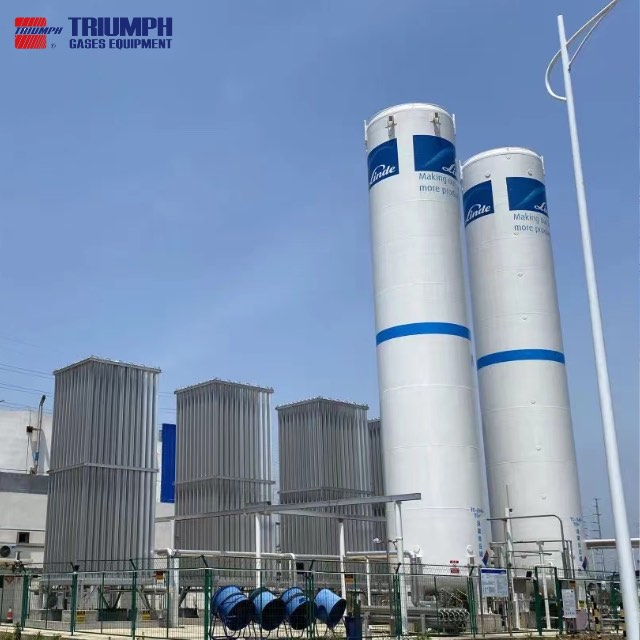
Cryogenic storage supports preservation by maintaining conditions suitable for the prepared biological material. Very low temperatures reduce biological activity and help limit changes during storage. However, the storage environment is only one part of successful cryopreservation. Different materials respond differently to cooling, freezing, and warming. Their preparation may require specific protective media and controlled procedures. These requirements belong to the validated protocol for the material. Placing untreated samples inside a nitrogen container does not automatically produce a usable preserved collection. The correct workflow must begin before the samples reach long-term storage.
For a laboratory, equipment selection should follow the sample requirements rather than precede them. Identify the approved storage phase, acceptable temperature conditions, and intended duration. Then assess whether the proposed container can support that storage arrangement. Sample identification and retrieval procedures also influence practical performance. A laboratory may have adequate cold storage yet struggle with inefficient access or uncertain inventory records. Those issues affect how reliably the collection can be used. Buyers should therefore assess the complete preservation workflow when choosing equipment. Include the sample container, storage holders, monitoring approach, and replenishment plan. This helps keep the nitrogen tank’s role clear without assigning it responsibilities belonging to sample preparation or laboratory procedures.
Biological storage systems can maintain samples in liquid nitrogen or cold nitrogen vapor. In liquid-phase storage, suitable sample containers occupy the liquid region. In vapor-phase storage, the samples remain above the liquid within a controlled cold environment. These approaches create different requirements for sample packaging and temperature assessment. Container compatibility is particularly important where liquid contact can occur. Some sample tubes are unsuitable for direct immersion without additional approved protection. Manufacturer guidance emphasizes selecting storage containers according to the biospecimen and intended storage method.
Neither approach should be selected from a general claim alone. The laboratory must confirm the arrangement against its validated storage protocol. For vapor-phase systems, temperature conditions at relevant sample positions require attention. For liquid-phase systems, packaging integrity and compatibility remain important considerations. Contamination control and recovery procedures also belong within the decision. Buyers should ask how the proposed equipment supports the selected method. They should confirm where samples will sit and what monitoring information will be available. A tank’s total liquid volume does not answer these questions. The intended storage environment and sample arrangement provide the useful basis. This keeps phase selection connected to the laboratory’s actual preservation needs rather than treating it as a simple product preference.
Canisters, racks, and related holders organize samples inside a cryogenic container. Their layout affects how users identify, separate, and retrieve individual materials. A compatible holder arrangement can make the available storage space more useful. However, the number of holders alone does not establish practical sample capacity. Sample format, packaging dimensions, and labeling methods also influence the result. A container suitable for straws may not provide an efficient arrangement for boxed vials. Buyers should therefore specify the actual sample format before accepting a headline storage count.
The neck opening also affects access to the internal arrangement. A wider opening may accommodate different holder formats or retrieval needs. However, opening size should be considered alongside the complete thermal and operating design. It should not be judged independently as an automatic advantage. The second supplied reference describes a liquid nitrogen container featuring canister arrangements and different opening options. Its details illustrate features requiring application-specific review rather than a universal selection rule. A practical evaluation can include checking representative empty sample holders against the proposed layout. Confirm identification visibility, handling access, and compatibility with inventory records. These checks help connect advertised capacity with usable storage space. They also reduce the chance of purchasing equipment requiring an inconvenient change to the laboratory’s established sample format.
A biological storage container requires enough nitrogen to maintain its intended cold environment. Monitoring helps the team understand whether operating conditions remain within the defined limits. Depending on the system, relevant information can include liquid level and temperatures at selected locations. The monitoring arrangement should match the storage method and sample requirements. A level indication and a temperature measurement provide different information. Neither should automatically be treated as a complete substitute for the other. Their interpretation must follow the equipment’s instructions and the laboratory’s procedures.
Replenishment planning also needs to reflect actual use. Published holding-time figures may describe defined static conditions. Repeated access, transfers, and daily handling can produce different consumption patterns. Therefore, a headline holding period should not become the refill schedule without assessment. Teams should review actual nitrogen use and maintain appropriate operating records. Delivery availability, staff coverage, and alarm response arrangements also affect storage continuity. These factors matter during weekends, holidays, and other periods of reduced staffing. Buyers should ask which monitoring functions come with the proposed equipment. They should also clarify manual and automatic refill responsibilities where applicable. This makes the storage plan more useful than relying on insulation performance alone.
Tip: Static holding-time claims describe stated test conditions and may differ from performance during regular sample access.
A laboratory may use one vessel to hold nitrogen and another to hold samples. The supply vessel supports replenishment when the storage unit needs additional liquid. Its job is therefore different from maintaining an organized sample collection. It may connect through an approved transfer system or support another defined filling arrangement. The receiving unit determines how nitrogen must arrive. Pressure, flow, and connection requirements need to remain compatible throughout transfer. A larger supply vessel does not automatically provide a better interface.
This distinction helps laboratories prepare more accurate purchasing requirements. Sample capacity concerns the number and format of materials stored. Liquid supply capacity concerns nitrogen inventory and replenishment frequency. These quantities may influence each other, but they are not interchangeable. A growing sample collection may increase nitrogen use depending on equipment and access patterns. That relationship should be assessed rather than assumed. Teams should record the number of receiving units and their expected consumption. They should also identify simultaneous refill needs and available delivery arrangements. A supply vessel can then be selected against a clear demand profile. This avoids asking one tank to perform functions requiring separate equipment. It also supports better coordination between the gas provider, storage-equipment supplier, and laboratory team.
Research equipment can use liquid nitrogen to achieve temperatures required by a specific process. The tank supplies coolant while the receiving equipment controls how it is applied. Applications vary between laboratories, so the necessary delivery arrangement also varies. An occasional manual cooling task differs from equipment needing an uninterrupted feed. Some processes are sensitive to delivery pressure or liquid quality at the connection. Others have different operating priorities. The equipment manufacturer’s requirements should establish the relevant supply conditions before tank selection begins.
A useful specification describes what the process needs at its connection point. Include demand pattern, required delivery conditions, and intended operating duration. Also identify the distance and route between storage and the equipment. Transfer arrangements can influence heat input and practical handling. The selected system must account for these conditions rather than assuming the liquid leaves storage unchanged. For buyers, this is a reason to assess the complete cryogenic equipment range around the required function. Storage, transfer, and downstream equipment each perform a separate role. The final selection should explain how those roles work together. This creates a workable laboratory supply arrangement while avoiding unsupported claims about individual tank performance.
Some dewars support approved pouring arrangements for limited liquid transfers. Other vessels provide controlled withdrawal through suitable connections and valves. These designs are not interchangeable simply because both hold liquid nitrogen. A pressure-transfer vessel must be suitable for its defined operating conditions. An ordinary vented storage container should not be modified into that role. The correct method depends on the equipment design and manufacturer instructions. This distinction helps laboratories avoid selecting a container based only on portability or nominal volume.
Transfer specifications should identify pressure, required flow, receiving conditions, and connection compatibility. They should also consider the actual working route and frequency of use. A system used repeatedly throughout a production shift may need different handling arrangements from occasional research work. Where automatic filling is proposed, confirm compatibility between the supply vessel and receiving controls. Ask which provider is responsible for the interface. Equipment boundaries can otherwise leave important functions unspecified. Buyers should also confirm how operators identify the correct connection and follow the approved transfer procedure. The aim is making the required coolant available through a suitable system. A clear transfer specification provides more useful guidance than asking whether a tank can “supply liquid” without defining the conditions.
A liquid nitrogen tank for food freezing provides the cryogen used by downstream freezing equipment. The tank holds inventory until the freezer calls for supply. Insulated transfer equipment then carries the nitrogen toward the processing line. The freezer applies the cooling through its designed process arrangement. This relationship separates stored availability from product-freezing performance. A tank’s capacity cannot independently establish production throughput or final product temperature. Those results depend on the complete process and the food being handled.
Storage planning should begin from the freezer’s actual nitrogen requirements. The relevant information includes consumption during normal production and higher-demand operating periods. Starting conditions and changes in production can also affect the supply profile. Businesses should confirm required pressure and liquid conditions at the freezer inlet. The transfer route belongs within that assessment because it connects storage with consumption. Delivery scheduling then determines how much inventory must remain available between receipts. This approach helps prevent production interruptions caused by mismatched supply assumptions. It also provides a clear basis for discussing storage location and equipment scope. Food-processing businesses can then evaluate the nitrogen supply system as part of their production arrangement rather than an isolated vessel selected by volume.
Food chilling uses liquid nitrogen where the process requires controlled temperature reduction. The specific application determines how the cryogen reaches the product or equipment. The storage tank provides the supply, while downstream controls regulate process use. This distinction prevents the tank from being credited with functions performed elsewhere. Suitable storage can support availability, but it cannot replace an appropriate chilling process. Product characteristics and processing conditions still govern the required operating arrangement. The equipment provider should define those conditions for the intended application.
Production schedules influence how much nitrogen needs to be stored. A facility may operate continuously, in batches, or through short seasonal campaigns. These patterns produce different replenishment needs even when average consumption appears similar. Buyers should therefore describe operating hours and expected production changes. They should also consider demand during startup and recovery from interruptions. The storage system must support the receiving equipment throughout those cases. Available delivery frequency and receiving space should remain part of the discussion. Selecting excess nominal capacity does not automatically solve a delivery-interface problem. A coordinated assessment connects the tank, transfer system, and chilling equipment. It gives businesses a more accurate understanding of what supports their intended production schedule.
Packaging lines can use liquid nitrogen through equipment designed to deliver controlled doses. The intended result depends on the package and process. Certain applications use the expanding nitrogen to support package pressurization. Others use nitrogen as part of a preservation arrangement. The dosing equipment controls the point and timing of introduction. Storage remains the source supplying that equipment. Therefore, a tank described as suitable for nitrogen storage does not automatically establish packaging-line compatibility. The interface must match the dosing system’s requirements.
Businesses should assess nitrogen quality and supply conditions alongside production speed. Food-contact applications require the appropriate gas specification and a suitable equipment pathway. These requirements should be confirmed through the responsible providers. Changes in container size or line operation may also affect demand. The tank and transfer arrangement must support the resulting operating pattern. Where uninterrupted dosing matters, replenishment planning becomes part of production continuity. A complete proposal should explain which equipment maintains the required liquid supply at the dosing inlet. It should also distinguish installed functions from options or site responsibilities. This makes the storage-to-packaging relationship clear. It helps purchasing teams avoid treating the nitrogen tank as a complete packaging system when several coordinated components are required.
Tip: Specify nitrogen quality and delivery conditions at the processing equipment, alongside the required storage inventory.
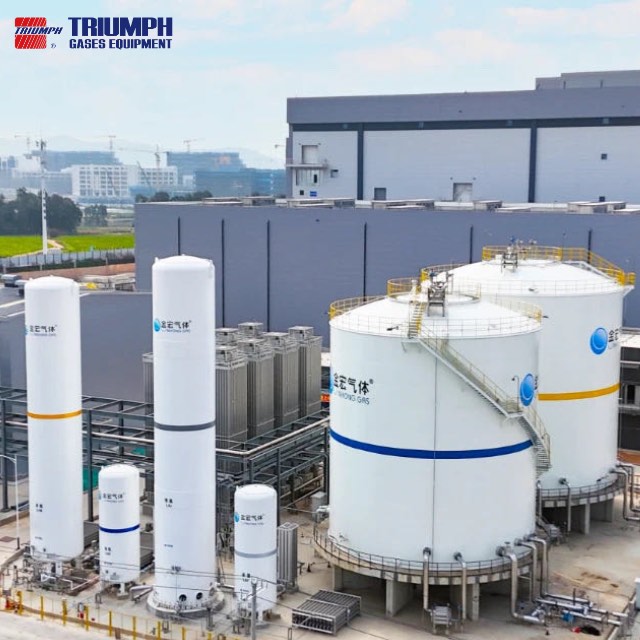
A vaporizer adds heat to withdrawn liquid nitrogen so it becomes gas. The storage tank and vaporizer therefore serve different functions in the supply pathway. The tank maintains available inventory under its approved conditions. The vaporizer supports conversion at the rate required by the receiving process. Depending on the installation, further equipment regulates pressure and distributes the gas. Supplier guidance describes vaporization as the step changing cryogenic fluid from liquid into gas. Tank Layout Understanding that pathway helps buyers assess the complete nitrogen supply rather than the vessel alone.
Stored quantity and available gas flow must be checked separately. Sufficient liquid inventory does not prove the vaporizer can meet peak demand. Equally, a large vaporizer cannot provide sustained supply after usable inventory is exhausted. Ambient conditions and the selected heating arrangement may affect equipment performance. The appropriate basis should come from the vaporizer provider. Buyers should request delivery conditions at the agreed system boundary. This should include relevant flow, pressure, and temperature requirements. They should also identify operating periods needing standby capacity or additional continuity measures. These decisions follow the process needs. Coordinating them makes the liquid nitrogen tank a useful part of an engineered gas-supply arrangement.
Nitrogen gas can help reduce oxygen exposure in compatible industrial processes. Inerting and blanketing are related applications, but their operating requirements may differ. A process may need nitrogen during a defined preparation stage. Another may require a maintained gas atmosphere during routine operation. The storage and delivery system must reflect the actual task. Purity, pressure, and flow should therefore come from the process specification. A general statement describing nitrogen as inert does not establish suitability under every chemical condition.
For buyers, the main equipment question concerns the required supply envelope. Identify how much nitrogen is needed and when demand occurs. Determine whether demand is continuous, intermittent, or associated with specific process events. The liquid storage system can then be assessed alongside vaporization and regulation equipment. Also clarify the consequences of interrupted supply for the intended process. This helps establish appropriate monitoring and continuity arrangements. Nitrogen use also requires attention to the surrounding environment because it can displace oxygen. That consideration belongs within the installation assessment. It does not change the application’s purpose, but it influences how the system is arranged. A useful specification connects the stored nitrogen to both the process requirement and the conditions of its actual location.
Metal-processing applications can use nitrogen in gaseous or liquid form. Suitable laser-cutting installations, for example, may require nitrogen gas under specified delivery conditions. Other processes use liquid nitrogen for controlled cooling or cryogenic treatment. These applications draw on different properties and require different equipment pathways. The same storage description cannot establish compatibility with both. A business should therefore identify the process before requesting a tank. It should also confirm whether the required output is liquid coolant or gaseous nitrogen. Published industrial examples distinguish gas-quenching supply from liquid nitrogen used for cryogenic treatment.
The required pressure, purity, and flow depend on the receiving equipment. For gas applications, vaporization and downstream pressure requirements need separate attention. For liquid applications, the process may require a suitable cryogenic delivery arrangement. Equipment selection should follow the relevant manufacturer’s specifications. Buyers should also provide realistic operating patterns rather than one average consumption figure. Multiple machines operating together can create a different demand profile from individual operation. The supply arrangement must account for those conditions where relevant. This helps prevent overgeneralized claims about “metal-processing tanks.” The useful product is the configuration capable of supporting the defined task. Clear process information makes that configuration easier for the supplier to establish and explain.
A sample-storage container provides space for compatible biological materials and their holders. Its useful capacity depends on the sample format and internal arrangement. Canisters, racks, canes, or boxes may organize the stored collection. The opening must allow the intended holders to be accessed appropriately. These features directly support sample identification and retrieval. They differ from the connections and withdrawal equipment needed by an industrial supply tank. A container holding many samples is therefore not automatically suitable for feeding a process line.
Selection should begin from the collection’s practical requirements. Identify sample dimensions, expected quantity, storage method, and retrieval frequency. Confirm whether the proposed arrangement supports current inventory systems and labeling methods. Then examine monitoring and replenishment needs. A larger container may provide additional space but also change handling requirements. The laboratory should assess those consequences before choosing nominal capacity. Long storage duration and frequent access may also create different priorities. Their relative importance depends on the workflow. Where transport is required, that purpose needs separate confirmation. These details keep the selection centered on sample preservation and access. They also prevent biological storage containers from being confused with the bulk equipment used to supply their nitrogen.
A liquid-supply vessel stores nitrogen for transfer to another approved destination. That destination might be laboratory equipment, a cryogenic storage unit, or a processing system. The vessel needs a delivery arrangement compatible with the required conditions. Suitable connections and withdrawal controls define how nitrogen leaves storage. Depending on the equipment, pressure may support delivery through the intended pathway. These functions should be confirmed from the proposed configuration. They should not be inferred from a general cryogenic product name.
When reviewing an industrial cryogenic storage tank, specify nitrogen service and the required output clearly. Ask the supplier to identify the approved operating conditions and included equipment. Confirm the relationship between tank pressure and the receiving system’s requirements. The transfer route, connection type, and demand profile also belong within the assessment. A vessel may hold sufficient nitrogen yet need different equipment to deliver it appropriately. Buyers should therefore ask for a complete description of the supply function. This description should distinguish tank equipment from downstream or site-provided components. A clear boundary makes the quotation easier to review. It also helps prevent missing interfaces from appearing during installation or commissioning.
Bulk and microbulk systems support users needing stored industrial gas over repeated operating periods. They differ from portable sample containers in purpose and installation arrangement. Their role is supplying nitrogen to consumers rather than organizing biological materials. Depending on the application, they may provide liquid directly or feed vaporization equipment. Distribution and regulation then connect storage with the required process. The complete configuration depends on demand and delivery conditions. Nominal vessel size alone cannot establish whether a particular system fits the task.
Businesses considering these arrangements should assess consumption and logistics together. Regular deliveries, usable inventory, and available receiving space shape the operating cycle. Demand variation influences the required supply equipment. A short production peak may require attention beyond simply adding storage volume. Conversely, intermittent consumption may change the preferred inventory and replenishment approach. Buyers should provide these patterns when discussing equipment options. They should also clarify location, delivery access, and intended future demand. Comparing the wider tank series can help identify relevant equipment categories. The final nitrogen configuration still requires supplier confirmation. This keeps the discussion focused on a workable supply system rather than an assumed advantage associated with a particular size label.
A vessel suitable for stationary storage is not automatically suitable for transport. Movement introduces requirements different from routine operation at a fixed location. The container’s approved purpose should identify what may be transported and under which conditions. Sample transport and bulk liquid transport also require different equipment arrangements. A portable appearance does not establish transport approval. Buyers should therefore confirm the intended movement before selecting a container. This applies whether the journey occurs between facilities or within an organization’s regular distribution workflow.
Liquid-filled transport containers differ from vapor shippers designed for sample movement. Suitable vapor shippers retain nitrogen through an absorbent arrangement under their defined preparation conditions. Their intended operation should follow the manufacturer’s instructions. They should not be treated as ordinary liquid-supply vessels. Likewise, a container described as transportable may have limits relevant to its loading or use. Confirm the specific equipment documentation and applicable transport requirements. For procurement, include the sample or material type, journey pattern, and handling needs. Also consider how equipment is prepared, received, and returned to service. These practical details affect whether the proposed transport container supports the actual workflow. They help prevent stationary-storage features from being mistaken for a complete transport solution.
Intended use | Relevant equipment category | Important selection question |
|---|---|---|
Biological sample preservation | Sample-storage container | Does it support the required sample format and storage method? |
Laboratory coolant supply | Suitable liquid-supply vessel | Can it deliver nitrogen under the receiving equipment’s conditions? |
Food freezing or chilling | Process-compatible liquid supply system | Does supply remain suitable throughout production? |
Industrial nitrogen gas supply | Storage, vaporizer, and regulation system | Can the complete system meet gas quality and flow requirements? |
Sample transport | Approved transport container or vapor shipper | Is the container intended for the proposed journey and load? |
The first purchasing question should describe the task, rather than the preferred product name. Will the equipment hold biological samples? Will it deliver liquid nitrogen to another unit? Or will it support nitrogen gas supply after vaporization? These questions separate functions often grouped under the phrase “liquid nitrogen tank.” Each function creates different requirements for openings, holders, connections, and controls. A precise statement helps suppliers propose relevant equipment. It also makes competing quotations easier to compare on the same basis.
A useful specification states what enters the vessel and what must leave it. For sample storage, identify the materials and their required storage environment. For liquid supply, define the receiving process and delivery conditions. For gas supply, include the gas requirements at the agreed connection point. Then record the expected operating schedule and continuity needs. This information creates a shared basis for equipment selection. It also reveals where additional equipment may be required. A supplier can explain the proposed arrangement more clearly when the required function is explicit. The result is a more focused purchasing discussion. It reduces reliance on broad product descriptions that may include several configurations serving different users.
Capacity should reflect how the equipment will actually be used. For biological storage, this means more than counting samples. Sample format, holder arrangement, and retrieval frequency all influence practical capacity. A densely packed layout may not suit a workflow needing frequent access. The laboratory should assess how staff locate and remove samples during normal operation. Nitrogen inventory also needs to support the established refill plan. These requirements should be considered together rather than choosing the largest available container automatically.
For supply systems, capacity planning begins from nitrogen consumption and delivery arrangements. Estimate routine demand and identify periods having different usage patterns. Check how much inventory must remain available before the next delivery. Also verify receiving space when a shipment arrives. An oversized vessel may not resolve problems caused by unsuitable delivery equipment or poor scheduling. A smaller arrangement may need more frequent replenishment than the location can support. The useful choice balances inventory, demand, and logistics. Buyers should request capacity information using clearly defined terms. Geometric volume, usable liquid inventory, and sample capacity answer different questions. Keeping those definitions separate helps ensure the proposed equipment supports the actual application.
The receiving equipment determines what a supply tank must deliver. Relevant conditions can include pressure, flow, temperature, and required nitrogen quality. Connection compatibility also matters because the system needs an approved physical interface. Buyers should confirm these details before treating tank capacity as the deciding factor. A vessel can have adequate inventory while remaining unsuitable for the process connection. Likewise, compatible fittings do not prove the system can deliver the required flow. The complete operating conditions need confirmation.
Ask the supplier to describe the pathway from storage to the receiving equipment. Identify whether vaporization, additional regulation, or other transfer equipment is required. Then clarify which components are included and which belong to another provider. This boundary should remain visible in the quotation and technical documentation. If multiple suppliers are involved, establish responsibility for interface coordination. The same approach applies to automatic laboratory replenishment and industrial gas supply. Both require compatible equipment, although their technical details differ. Buyers should request confirmation for the exact proposed configuration. A broad product title covering several media cannot substitute for that review. Clear delivery requirements connect the equipment specification directly to the intended application.
The installation must support the selected equipment’s intended function. Refill access, transfer routes, maintenance space, and monitoring arrangements affect everyday use. These factors should be reviewed before the vessel arrives. A technically suitable tank may still create operating difficulties in an unsuitable location. Laboratory workflows and industrial production layouts have different practical requirements. The responsible team should assess the actual site and planned operating pattern. Manufacturer instructions and qualified installation guidance provide the appropriate basis for these decisions.
Liquid nitrogen use also requires suitable assessment of ventilation and potential oxygen displacement. Nitrogen released into an enclosed environment can reduce available oxygen. Relevant pressure protection and trained cryogenic handling must match the equipment design. Gas-supplier guidance identifies ventilation and oxygen-displacement concerns as important considerations during liquid nitrogen use. These requirements should be integrated into the installation rather than addressed through improvised operating changes. Buyers should clarify who provides site assessment, commissioning support, and operator instruction. They should also confirm maintenance responsibilities and access to technical documentation. This completes the connection between intended use and workable operation. It helps ensure the chosen liquid nitrogen tank supports the process through its full operating cycle.
Tip: Ask suppliers to confirm the exact medium, delivery function, equipment scope, and installation requirements in writing.
A Liquid Nitrogen Tank supports sample preservation, laboratory cooling, food processing, and industrial nitrogen supply. Choosing the right configuration improves storage efficiency and supply reliability.
TRIUMPH offers cryogenic storage solutions for diverse industrial needs. Its tank range helps businesses match equipment specifications to their applications and operating requirements.
A: It stores liquid nitrogen for sample preservation, cooling, food processing, and industrial supply.
A: It supplies coolant or maintains suitable conditions for prepared biological samples.
A: Yes. A suitable vaporizer converts liquid nitrogen into gas.
A: Consumption, usable inventory, delivery frequency, and reserve requirements determine capacity.
A: It reduces heat transfer and limits nitrogen evaporation during storage.
A: Match the configuration, pressure, flow, safety features, and application requirements.


